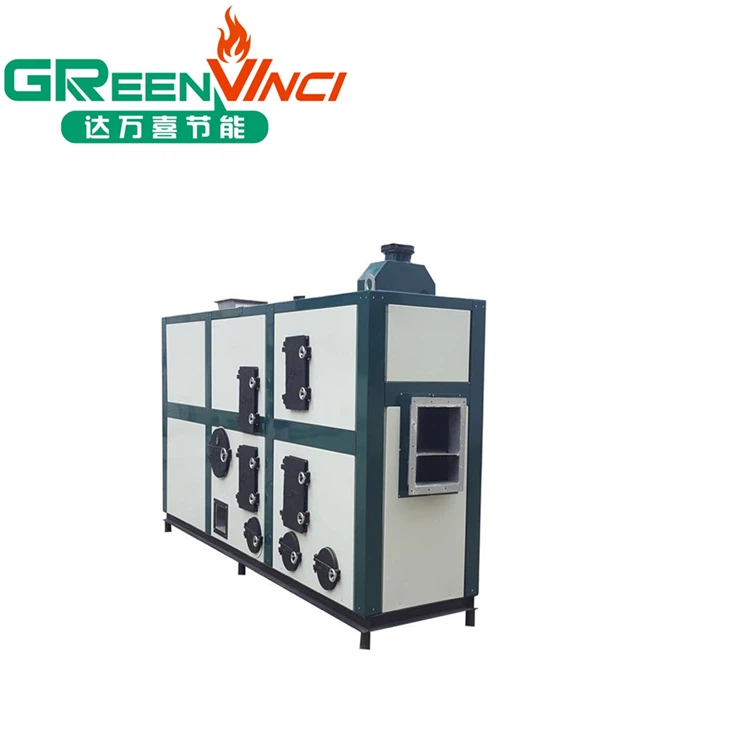

Hot Air Generator:A Versatile Heating Equipment
The hot air generator is an essential industrial heating equipment used to produce hot air for various applications such as drying, heating, and thermoforming in different industries. It is a cost-effective and highly efficient device that is used in chemical plants, food processing plants, engineering works, textile industry, and many other manufacturing industries.
The hot air generator consists of several vital components that work together to produce hot air with high thermal efficiency. These components include the combustion chamber, the fuel feeding system, the blower, and the heat exchanger. The combustion chamber is where the fuel is burned, the heat is generated and released. The fuel feeding system is responsible for feeding the fuel into the combustion chamber. The blower acts as an air supply unit, supplying the air required to support combustion. The heat exchanger extracts heat from the combustion gases and releases it into the air that is blown out of the system.
Like every heating equipment, the hot air generator poses some challenges such as fuel quality, combustion air supply, and temperature control. These problems can be mitigated by observing some basic maintenance tips such as regular cleaning of the combustion chamber, the use of high-quality fuel, and the installation of an efficient combustion chamber design.
The hot air generator also comes with some easy-to-replace parts that are prone to wear and tear. These parts include the ignition system, the blower fan, the combustion fan, and the heat exchanger. Regular inspection and replacement of these parts can significantly enhance the performance of the hot air generator and increase its longevity.
In summary, the hot air generator is a versatile heating equipment with a wide range of applications. It comprises several critical components that work together to generate hot air with high thermal efficiency. With regular maintenance and proper use of quality fuel, common challenges associated with its use can be mitigated. Finally, its easy-to-replace components make it easy to maintain, and this enhances the unit's performance and lifespan.