

What is clean energy?
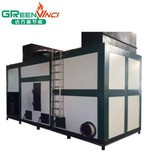
The exact definition of clean energy should be the technical system of clean, efficient and systematic application of energy. After consumption, it can be restored and supplemented, and no or very few pollutants can be produced. Such as solar energy, wind energy, biological energy, water energy, geothermal energy, hydrogen energy and so on. China is currently the world's largest clean energy giant and the birthplace of the world's largest solar, wind and environmental technology companies. In the process of production and consumption, we should minimize the pollution to the ecological environment, including the use of low-pollution fossil energy (such as natural gas) and the use of clean energy technology treated fossil energy, such as clean coal, clean oil and so on. Nowadays, biomass energy is using more and more widely. Biomass gasification buner can make full use of biomass fuels such as wood chips, wood pellet, sawdust etc and be environment friendy and of high efficiency. For more information. Visit +86 18144743064
Traditionally, clean energy refers to environmentally friendly energy, which means environmental protection, less emissions and less pollution. However, this concept is not accurate enough, and it is easy to mistake people for the classification of energy and the difference between clean energy and non-clean energy, thus misunderstanding the meaning of clean energy.
Meaning
First, clean energy is not a simple classification of energy, but refers to the technical system of energy utilization.
Second, clean energy emphasizes not only cleanliness but also economy.
Third, the cleanliness of clean energy refers to meeting certain emission standards.
Clean energy and its implications include two aspects:
renewable energy

Non-renewable energy